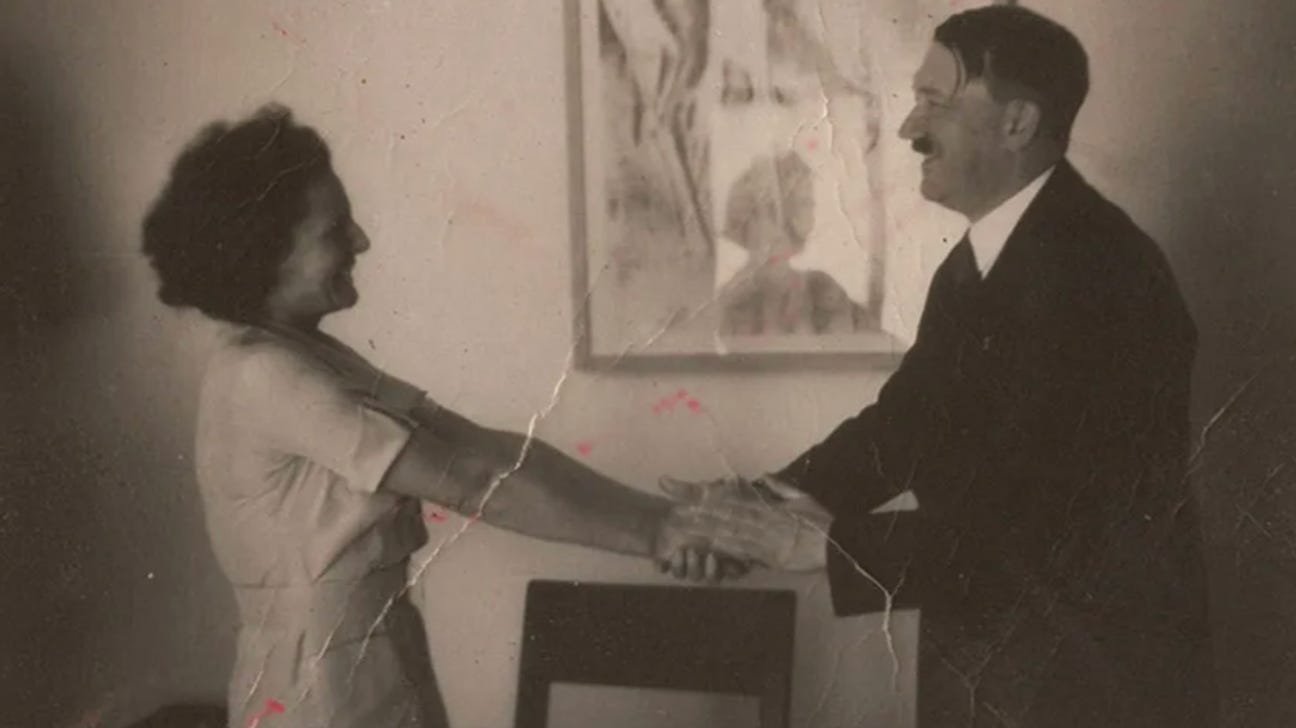
Riefenstahl
This is What Propaganda Looks Like


Contemporary propaganda has grown more intimate and insidious: it refashions language, bends words and ideas to cloak dubious intentions, and floods the public sphere with such an excess of noise that truth is no longer refuted—it is simply submerged.
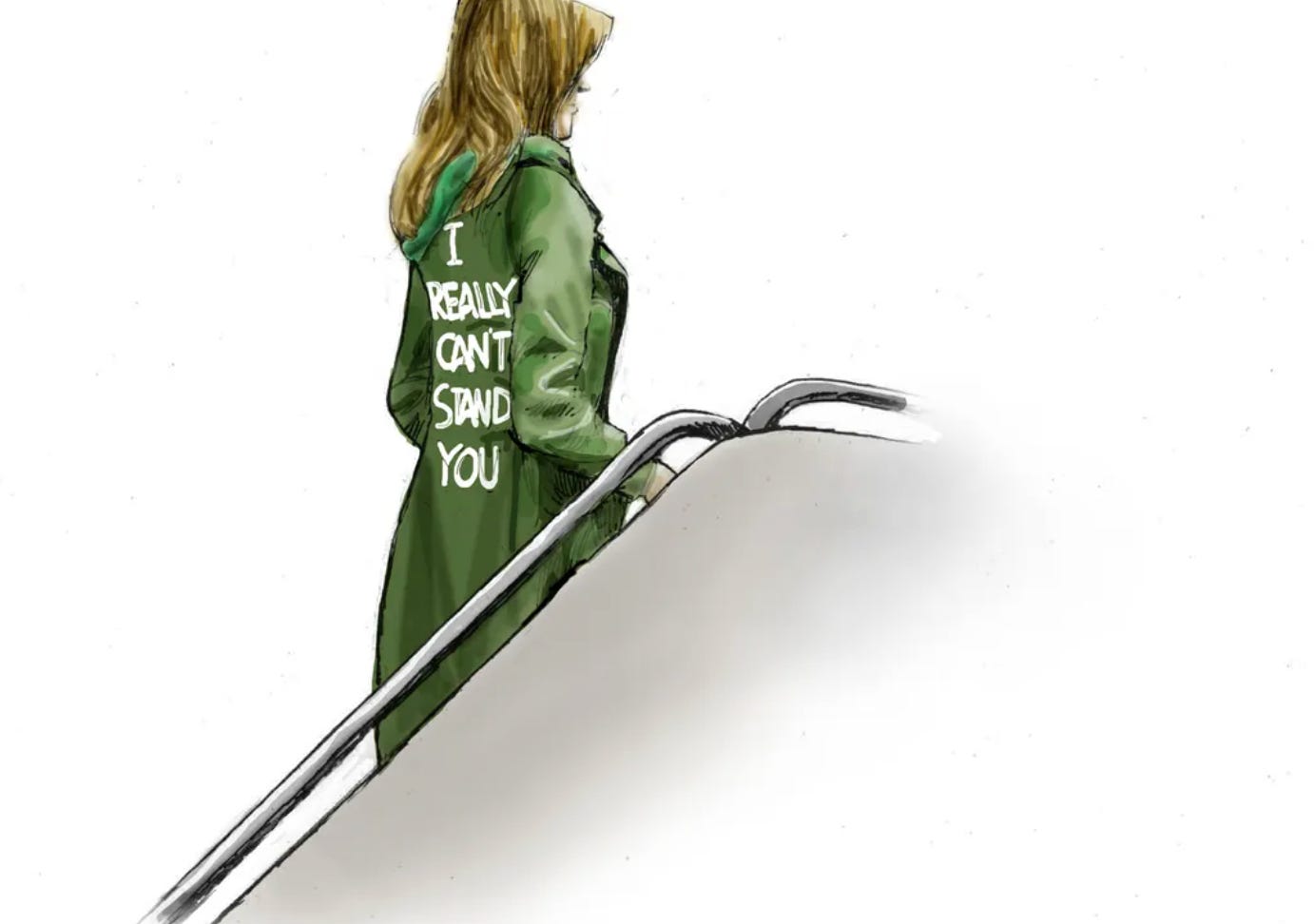
Right-wing ideology in film doesn’t seem to work so well. Take the film, Melania, a dreadful and trivial piece of propaganda.
Boston Sean Burns eloquently called Melania “a film made up almost entirely of photo-ops and scenes of a woman with no discernible personality walking in and out of rooms, occasionally accompanied by a voice-over of empty, ChatGPT-sounding banalities delivered in an affectless monotone. Breathtakingly inert, “Melania” shouldn’t even be called a documentary. It’s just footage.” He closed, saying,”At least Leni Riefenstahl could frame a shot.
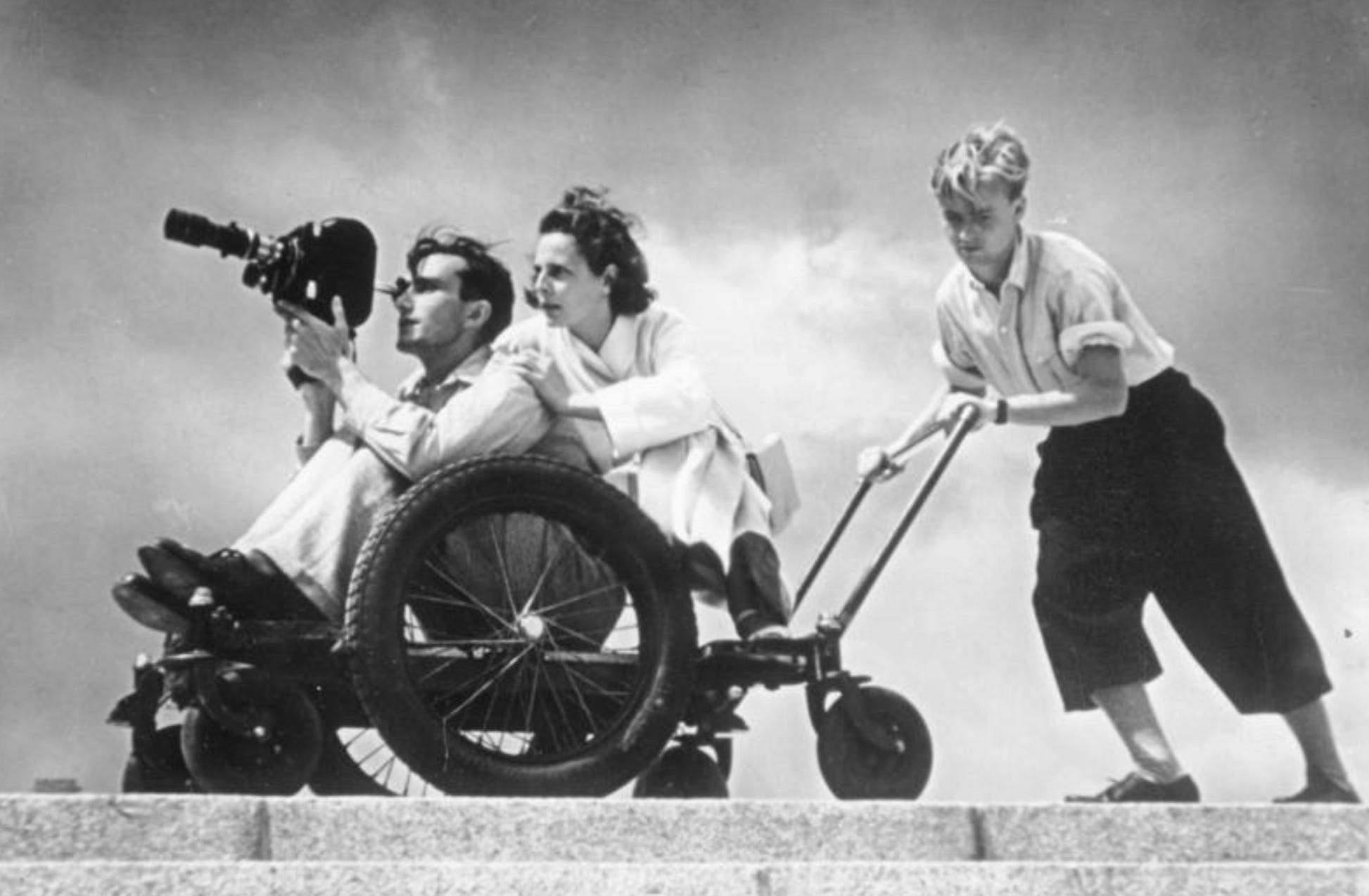
The film Riefenstahl received little theatrical distribution. It is worth looking back at the ethics of an actual filmmaker whose fascist aesthetic cinema achieved the unfortunate distinction as art. Powerfully unapologetic for what she achieved, it is a fascinating study on art and ethical responsibility.
Leni Riefenstahl first broke into the German film industry as an actress before directing Triumph of the Will. Released in 1934, this documentary glorified Hitler and the Nazi party, breaking from previous documentary traditions by eschewing voice-over narration and skillfully manipulating imagery from 250 hours of footage. The goal was to create a mythic spectacle.
In her 1975 essay “Fascinating Fascism,” Susan Sontag claimed that this anesthetization of power and beauty was itself fascist. Andre Bazin claimed: “Triumph of the Will demonstrates that realism is not the same as truth. The camera does not record reality; it organizes it.”
Critic Pauline Kael charged that “every shot glorifies power and submission in the same breath.”
Riefenstahl died in 2003 at the age of 101; she had spent decades unapologetically defending, reinventing, and rebranding herself as an artist, denying that she was a propagandist. Riefenstahl examines this question, using never-before-seen documents from the filmmaker’s estate, drawing on private films, photos, recordings, and letters. The doc takes fragments of her 1987 autobiography (Memoiren) and examines them in the historical context.
As fascism reasserts itself and truth is bent into spectacle, the images that shape our politics demand resistance and debate. Political imagery and language need to be dissected and debated, which makes this 2024 film more relevant than ever.